一、中譯英
說明:1.請將以下中文句子譯成正確、通順、達意的英文,並將答案寫在「答案卷」上。 2.請依序作答,並標明子題號。每題4分,共8分。
第1小題
都會地區的高房價對社會產生了嚴重的影響。
參考答案
The high housing prices in urban areas have brought about a severe impact on society.
測驗重點解析
測驗重點解析
-
時態:描述一個從過去持續到現在,且已經造成影響的社會現象,強烈建議使用 現在完成式。
例如:have brought about/have produced/have had -
片語與字彙:
- 「都會地區」:
urban areas/city areas - 「高房價」:
high housing prices/high house prices - 「對……產生嚴重影響」:
have a severe/serious impact on.../bring about a severe effect on...
(大考中心特別提醒,impact/effect後面搭配的介係詞必須是on) - 「社會」:
society
(作為整體社會時為不可數名詞,不加a或the;但若寫the society也可接受)
- 「都會地區」:
第2小題
政府正推出新的政策,以滿足人們的住房需求。
參考答案
The government is currently launching new policies in order to meet people's housing demands.
測驗重點解析
測驗重點解析
-
時態與句型:句首有「正……」,必須精確使用 現在進行式,
例如:is launching/is putting forward。
後半句則測驗使用不定詞片語
in order to/to/so as to + V
來表達「目的(以……)」。 -
片語與字彙:
- 「推出」:
launch/put forward/introduce/roll out - 「政策」:
policies - 「滿足」:
meet/satisfy/fulfill - 「住房需求」:
housing demands/housing needs
- 「推出」:
二、英文作文
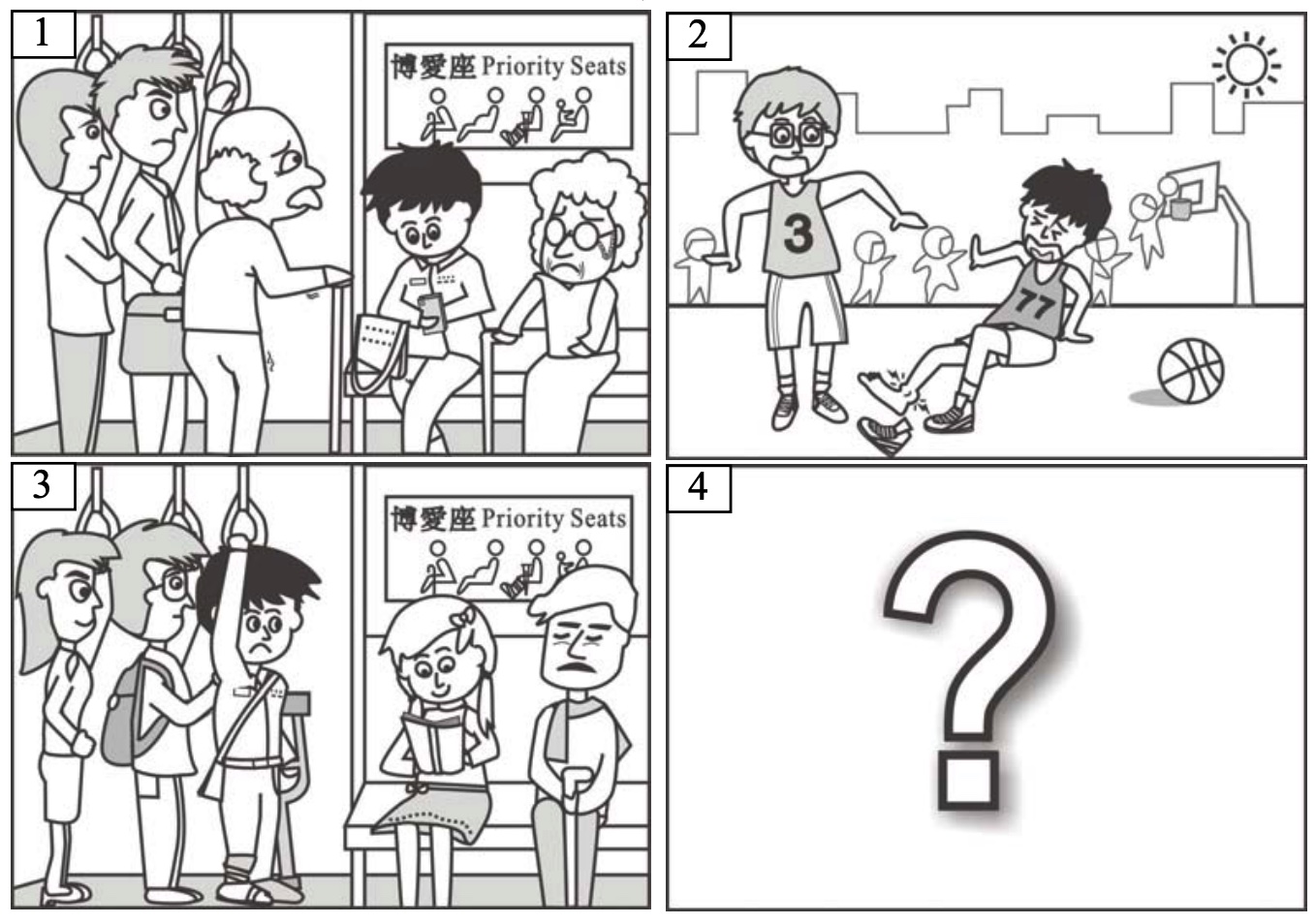
說明︰1.依提示在「答案卷」上寫一篇英文作文。 2.文長至少120個單詞(words)。 提示︰請仔細觀察以下三幅連環圖片的內容,並想像第四幅圖片可能的發展,寫出一個涵蓋連環圖片內容並有完整結局的故事。
參考範文
One ordinary afternoon, a high school student named Jack was taking the MRT home. He comfortably occupied a priority seat, completely engrossed in playing video games on his smartphone. Selfishly, he turned a blind eye to a frail, elderly man with a cane standing right in front of him. However, karma struck just a few days later. While playing an intense basketball game with his classmates, Jack landed awkwardly on the court and severely sprained his ankle. With his leg in a cast, he had no choice but to rely on a pair of crutches to get around. The following day, Jack hobbled into a crowded MRT carriage, desperately needing a seat to rest his aching leg. To his dismay, the priority seats were taken by a young girl and a middle-aged man, both of whom completely ignored his presence. Standing painfully with his crutches, Jack finally tasted his own medicine. He suddenly realized how arrogant and indifferent he had been to the old man earlier. Eventually, a kind woman offered him her regular seat, which made him feel even more ashamed. From this painful experience, Jack learned a vital lesson about empathy: we should always put ourselves in others' shoes and offer our seats to those in need.
寫作技巧解析
根據 102 年作文考題,這是一篇經典的「四格連環漫畫」看圖寫作,主題探討「博愛座(Priority Seats)的讓座品德與同理心」。圖片描述如下:
- 圖 1:一名年輕人在捷運公車的「博愛座」上滑手機,無視身旁站著一位生氣、拄著拐杖的老爺爺。
- 圖 2:該名年輕人在打籃球時摔倒,扭傷了腳踝。
- 圖 3:該名年輕人拄著拐杖再次搭乘大眾運輸,他滿臉愁容地站著,而博愛座上坐著一名看書的女孩與一名閉目養神的男子,無人讓座給他。
- 圖 4:給了一個大大的「?」,要求考生想像結局。
1. 主題作文該如何安排各段的結構與描寫?
這題屬於 「看圖敘事(記敘文)+ 現世報的轉折與省思」 的結構,強烈建議採用以下安排:
第一段(圖 1 與圖 2:自私的行為與突發的報應)
-
圖 1(自私與無視):
具體描繪主角(如 Jack)霸佔博愛座(priority seat),沉浸在智慧型手機的遊戲中(engrossed in his smartphone)。他故意對眼前一位虛弱、拄著拐杖的老爺爺「視而不見」(turn a blind eye to)。 -
圖 2(報應降臨):
筆鋒一轉,描寫幾天後,Jack 在一場激烈的籃球賽中笨拙地摔倒,嚴重扭傷腳踝(sprained his ankle),必須打上石膏、拄著拐杖行走。
第二段(圖 3 與圖 4:情境反轉、結局與深刻教訓)
-
圖 3(角色對調的無助):
描寫拄著拐杖的 Jack 艱難地走進車廂,極度需要座位。然而,博愛座上的乘客卻同樣無視他的存在。此時他終於體會到那位老爺爺當初的痛苦(tasted his own medicine)。 -
圖 4(想像結局與省思):
結局可以設定為「他一路痛苦地站著」,或「一位好心的阿姨最後讓座給他,讓他感到無地自容(ashamed)」。最後必須點出核心主旨:「同理心(empathy)」與「換位思考(put oneself in others' shoes)」 的重要性。
實用字彙與轉承詞
敘事轉承詞
However/Unfortunately(然而/不幸的是)A few days later(幾天後)To his dismay(令他沮喪的是)On reflection(仔細回想起來/作為省思)
描述「霸佔與無視」的實用字彙
priority seat(博愛座)occupy(佔據)a frail elderly man with a cane(一位虛弱、拄著拐杖的老翁)be engrossed in(全神貫注於……)turn a blind eye to.../pretend not to see...(對……視而不見)
描述「受傷與報應」的實用字彙
sprain one's ankle(扭傷腳踝)land awkwardly(落地姿勢笨拙)on crutches(拄著拐杖)hobble into the carriage(蹣跚走進車廂)
描述「結局與反思」的實用字彙
taste one's own medicine(自食惡果/嘗到自己種下的苦果)feel deeply ashamed(感到深深的羞愧)empathy/compassion(同理心/同情心)put oneself in someone else's shoes(設身處地為人著想)